
Hand Sewing Machine for Grain PP Bag Sewing and Sealing-Hebei Beibu Machinery Technology Co.,LTD
author: Beibu Machinery
2026-05-21

Popular Hand Sewing Machine for Grain PP Bag
We,Hebei Beibu Machinery Technology Co.,LTD which is the supplier for the grain,seeds,beans,spices and hibiscus flower cleaning machine.And we also can supply the hand sewing machine which is so popular for the last step sewing of the grain pp bags,when the clients no need the packing machine then the hand sewing machine will be the best choice.
Introduction
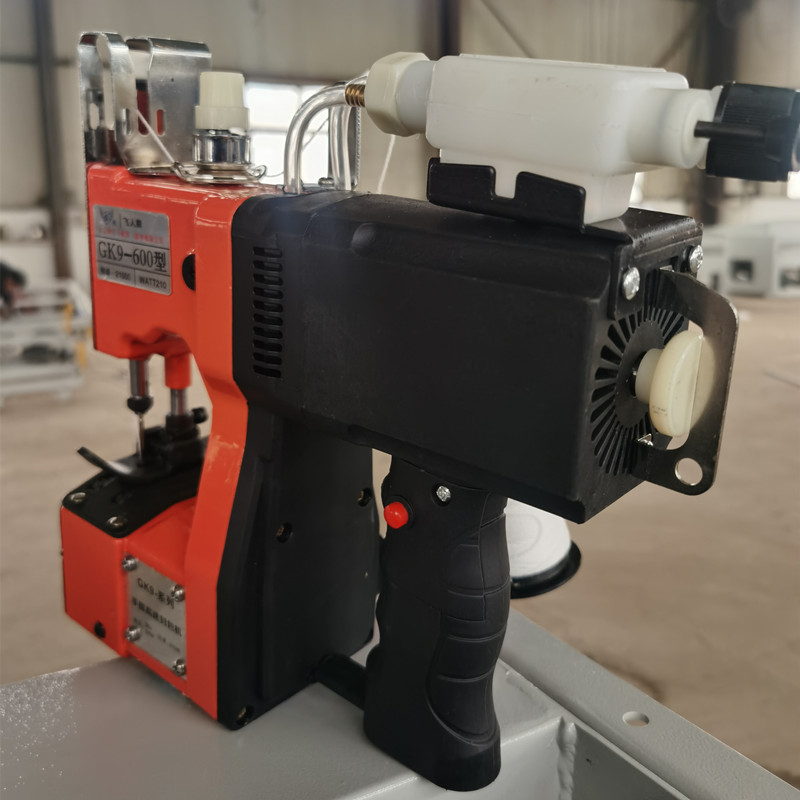
A hand sewing machine for grain PP bags is a portable industrial device used to seal polypropylene woven bags—the standard packaging for rice, maize, wheat, beans, and other grains. Unlike stationary sewing machines, these handheld tools allow operators to close bags anywhere: on a farm, in a warehouse, or at a port. They are fast, durable, and easy to operate.
In Chinese, this tool is called 缝包机 (Feng Bao Ji). Common models include the GK9 series (China) and Newlong NP series (Japan). Handheld versions offer great flexibility, with corded, continuous-power, and battery-powered options.
Why PP Bags Need Special Sealing
PP woven bags are strong, water-resistant, and lightweight. But they cannot be sealed by simple heat or tying. They require stitching—specifically a chain stitch that locks into the woven fabric. Hand sewing machines provide this perfectly, creating a secure, tamper-evident closure that survives transport.
Core Functions of a Hand Sewing Machine
1. High Speed: Typical machines sew at 1,200 to 2,700 stitches per minute, closing 250–300 bags per hour. This dramatically cuts labor time.
2. Adjustable Stitch Length: From 7mm to 11mm, allowing operators to adjust for different bag thicknesses and materials.
3. Thread Compatibility: Uses 21 or 23 nylon thread for strength. Single-thread chain stitch works for light bags; double-thread for heavy 50kg grain bags.
4. Chain Stitch Mechanism: Creates a secure seam that can be opened instantly by pulling the loose thread end—no scissors needed.
5. Ergonomic Design: Single-hand operation, lightweight (about 3 kg), and insulated handles for safety and reduced fatigue.
Convenience Compared to Other Methods
Versus Heat Sealing: Heat sealers cannot properly close woven PP bags because the fabric has gaps. Stitching is mechanical and works on any texture.
Versus Manual Tying: Tying is slow, inconsistent, and labor-intensive. Hand sewing machines are up to 40% faster and produce uniform, professional closures.
Versus Stationary Sewing Machines: Fixed machines require bags to be brought to them. Handheld units seal bags right where they are filled, ideal for remote or field operations.
Power Options: Corded models work where electricity is stable. Battery-powered models (like GK9-890D with lithium battery) are perfect for off-grid areas.

Popularity in the African Market
Hand sewing machines have become extremely popular in Africa for several reasons.
1. Growing Agriculture: African countries (Nigeria, Ethiopia, Ghana, Kenya, Tanzania, South Africa, Togo) are increasing grain production—maize, rice, sorghum, sesame, soybeans. More grain means more packaging. PP bags are standard, and hand sewing machines are the most practical closing tool.
2. Off-Grid Suitability: Many grain-growing regions lack reliable electricity. Battery-powered hand sewing machines allow farmers to seal bags in the field, at collection points, or in small village facilities without power grids. Portability (3kg) is a huge advantage.
3. Cost-Effectiveness: For smallholder farmers and cooperatives, one machine is an affordable investment that replaces slow manual tying. For larger processors, multiple machines provide flexibility. Durable aluminum alloy construction ensures long life in harsh conditions.
4. Reliability in Harsh Environments: High temperatures, dust, and humidity are common in African agriculture. Semi-closed dust-resistant designs and simple chain-stitch mechanisms keep the machines running with minimal maintenance.
5. Growing Market Demand: The Middle East and Africa sewing machine market is projected to grow at 6.31% CAGR through 2031. Suppliers like Hebei Beibu Machinery have reported successful deliveries to Togo and other African nations specifically for grain bag sewing.
6. Versatility: The same machine seals bags for sesame seeds, coffee beans, cocoa, peanuts, animal feed, and fertilizers—a single tool serves many products.
Key Features to Look For
- Motor power: at least 210W
- Sewing speed: 1,500–2,700 stitches per minute
- Stitch length adjustment: 7–11mm
- Max sewing thickness: 0.2–6mm
- Power: corded or battery-powered (lithium)
- Weight: ≤3 kg
- Build: aluminum alloy, dust-resistant
- Extras: automatic thread trimming, oil pump lubrication
- Sewing speed: 1,500–2,700 stitches per minute
- Stitch length adjustment: 7–11mm
- Max sewing thickness: 0.2–6mm
- Power: corded or battery-powered (lithium)
- Weight: ≤3 kg
- Build: aluminum alloy, dust-resistant
- Extras: automatic thread trimming, oil pump lubrication
Popular Models
- GK9 Series (China): GK9-2 (plug-in), GK9-600 (continuous power), GK9-890D (battery). Most widely used in agriculture.
- GK26-1A: 1,250 SPM, seals 250–300 bags/hour, works on PP, jute, paper.
- Newlong NP-7A (Japan): Premium portable bag closer.
- Hebei Beibu Machinery: Specializes in African market solutions.
- GK26-1A: 1,250 SPM, seals 250–300 bags/hour, works on PP, jute, paper.
- Newlong NP-7A (Japan): Premium portable bag closer.
- Hebei Beibu Machinery: Specializes in African market solutions.
Maintenance Tips
- Lubricate regularly; many modern machines have automatic oiling.
- Replace needles (GK9 needles) when stitch quality drops.
- Use correct nylon thread (21 or 23).
- Clean dust from needle plate and feed mechanism.
- Store in dry place; for battery models, follow charging guidelines.
- Replace needles (GK9 needles) when stitch quality drops.
- Use correct nylon thread (21 or 23).
- Clean dust from needle plate and feed mechanism.
- Store in dry place; for battery models, follow charging guidelines.

Conclusion
The hand sewing machine for grain PP bags is an indispensable tool for modern grain packaging. It combines speed, security, portability, and affordability. In Africa, its popularity is driven by expanding agriculture, off-grid battery-powered options, low cost, and proven durability.
Whether you are a small farm or a large grain processor, a hand sewing machine reduces labor costs, improves packaging quality, and gets products to market faster. Battery-powered variants, in particular, have opened new possibilities for rural African supply chains. Investing in a reliable hand sewing machine is one of the best decisions any grain bagging operation can make.
Beibu Machinery: Deepening Cross-Sector Expertise to Empower a New Frontier in Efficient Mineral Purification via Grain-Sorting Technology
From Paddy to Premium Rice: The Ultimate Guide to Small-Scale Rice Milling Machines
Related Article


